
What Are Some Of The Skin Changes That Occur During Aging?
Even though the number of cell layers remains constant, the outer skin layer (epidermis) thins as we age. The number of pigment-containing cells (melanocytes) diminishes, while the size of the remaining melanocytes grows. In sun-exposed areas, pigmented spots like as age spots or "liver spots" can form; these areas are known as lentigos in medical terms. Aging skin appears thinner, paler, and clearer. Elastosis is a condition in which the connective tissue of the skin loses its strength and flexibility. In sun-exposed places, it is more visible. Farmers, sailors, and others who spend a lot of time outside often develop elastosis, which gives them a leathery, weather-beaten appearance. The dermis' blood vessels become more vulnerable, resulting in bruising, bleeding beneath the skin (often called senile purpura), cherry angiomas, and similar conditions. As you become older, your sebaceous glands generate less oil. Men's testosterone levels drop gradually after the age of 80. Following menopause, women's oil production decreases progressively. This makes it more difficult to keep the skin moist, leading to dryness and itching. The insulation and padding provided by the subcutaneous fat layer thins. This raises your risk of skin injury and lowers your capacity to keep your body temperature stable. Sweat glands do not produce as much sweat as they formerly did.What Are The Common Ingredients Used In Anti-aging Products?
Here are some common components that could help you improve the appearance of your skin.- Retinoids, or vitamin A compounds, such as retinol and retinoic acid, have long been used topically to aid in the restoration of sun-damaged skin and the reduction of fine lines and wrinkles.
- Vitamin C is a powerful antioxidant that defends the skin against free radicals, which are unstable oxygen molecules that break down skin cells and create wrinkles. Vitamin C may aid in the prevention of UV damage and the reduction of fine lines and wrinkles.
- Glycolic, citric, and lactic acids are alpha hydroxy acids (AHAs) that are used to eliminate dead skin cells (exfoliate). Using an AHA product on a regular basis helps your skin absorb other products better and promotes the formation of new skin that is smooth and evenly pigmented.
- Coenzyme Q10 is a substance that may help to decrease fine wrinkles around the eyes while also protecting the face from UV damage.
- Peptides are naturally occurring compounds found in living beings. Certain peptides have been demonstrated to improve skin smoothness and wrinkles by stimulating collagen formation.
- Green, black, and oolong tea extracts include antioxidant and anti-inflammatory chemicals. Green tea extracts are most commonly found in wrinkle creams.
- Niacinamide is a powerful antioxidant related to vitamin B3 (niacin). It aids in the reduction of water loss in the skin and may assist to improve skin suppleness.
- Hyaluronic acid
Showing 13–17 of 17 resultsSorted by popularity
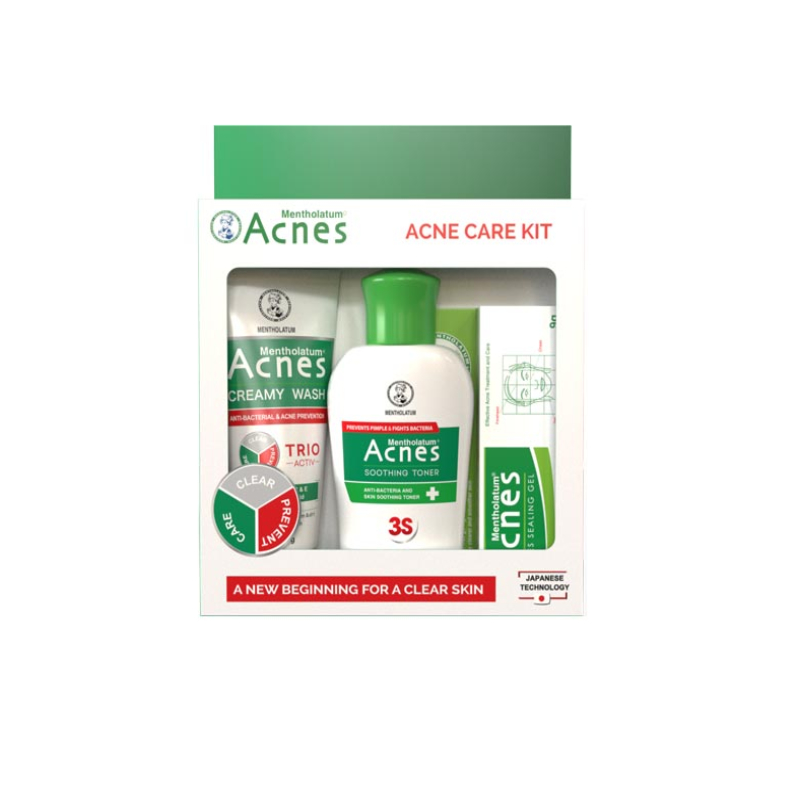
- A Creamy Wash, a Toner & a Sealing gel
KSh1,730
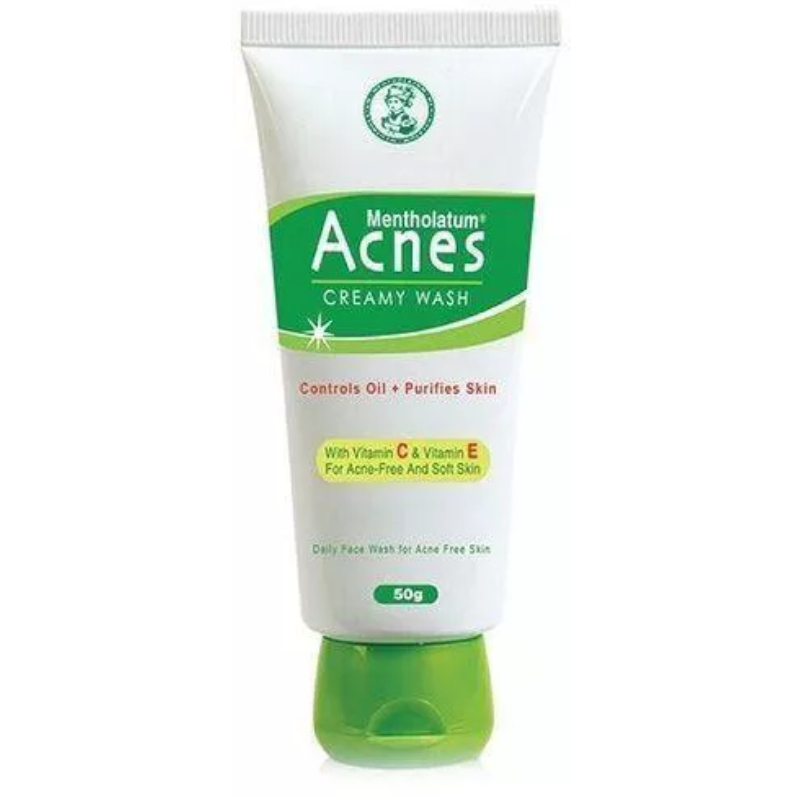
- The sophisticated TRIO-ACTIV solution deeply cleanses your face by removing excess oil and debris
KSh480
- Includes two of the most potent skin-brightening ingredients: Alpha Arbutin with Vitamin C
KSh2,520
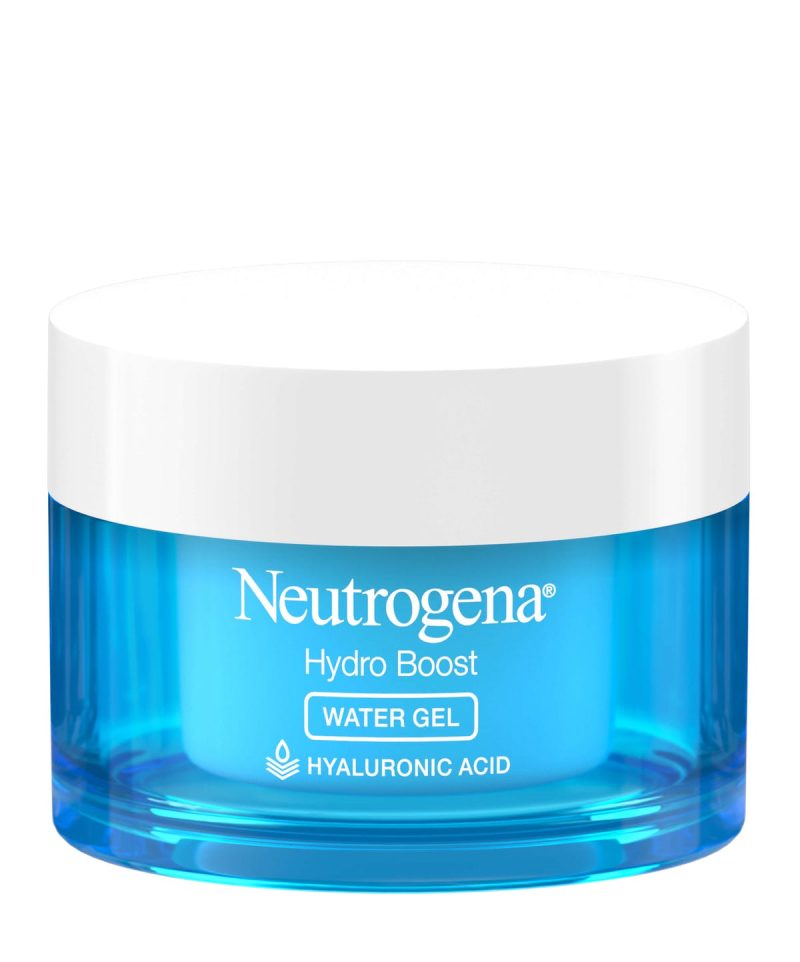
- With the best gel formula to deliver intense hydration
- Hyaluronic acid that locks in the water and keep skin vibrant
KSh3,050
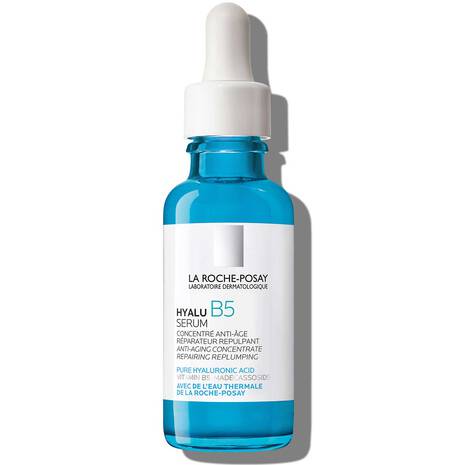
- Pure hyaluronic acid serum hydrates and visibly plumps skin
- Rich serum texture leaves skin feeling supple and hydrated to the touch
KSh6,300
Showing 13–17 of 17 resultsSorted by popularity
- A Creamy Wash, a Toner & a Sealing gel
KSh1,730
- The sophisticated TRIO-ACTIV solution deeply cleanses your face by removing excess oil and debris
KSh480
- Includes two of the most potent skin-brightening ingredients: Alpha Arbutin with Vitamin C
KSh2,520
- With the best gel formula to deliver intense hydration
- Hyaluronic acid that locks in the water and keep skin vibrant
KSh3,050
- Pure hyaluronic acid serum hydrates and visibly plumps skin
- Rich serum texture leaves skin feeling supple and hydrated to the touch
KSh6,300